

Against Hotness
No shot of Ozempic nor deep-plane facelift can save me now

This is part two of a two-part series. Read part one here.
Upon limping to the finish line of a calendar year, it was once customary for me to promise myself that the next year would be better. I would marshal the strength and discipline to become a Brand-New Me.
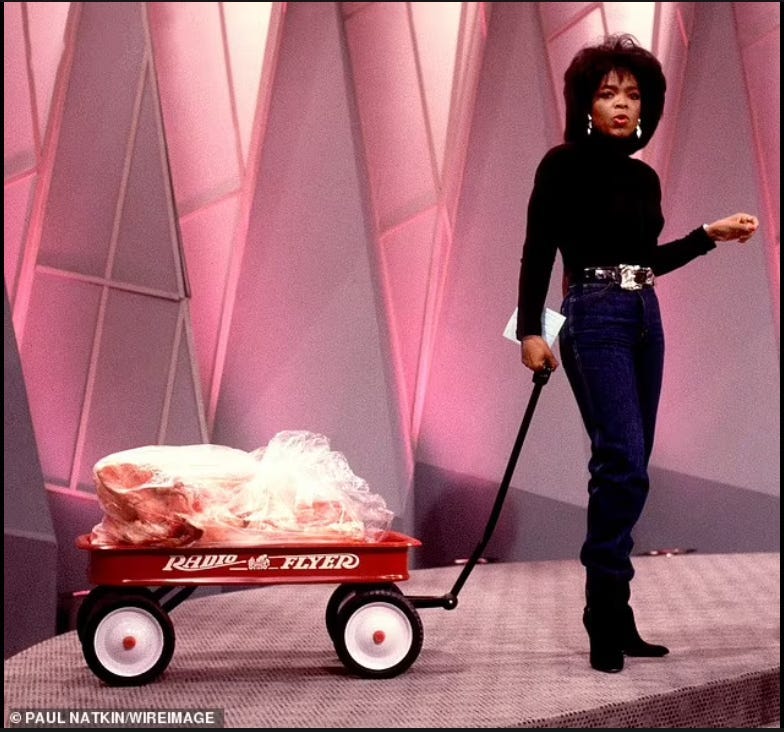
This person I’d become – the Brand-New Me – would be a mitigation of all the problems I’d encountered the year before. Problems that had befallen me, I knew, because I wasn’t hot enough. I grew up hearing South Beach Diet ads on the radio, watching in awe as Oprah pulled a wagon containing 67 pounds of animal fat onstage to represent the amount of weight she’d lost doing Optifast. How unburdened and gorgeous she looked! How free Kate Moss must have felt, small enough to wear anything! I was, like every girl in my school, strangely soothed by Before and After photos. She lost how much weight? And how fast? The answer was always right there in the caption: an immediate dopamine hit. Proof that discipline meant beauty, and beauty meant transcendence.
In the 2000s, it was strange if you didn’t have an eating disorder. Who were you, if you didn’t regard your body as a problem to be solved? What were you striving towards, if not a Brand-New You?
I was nothing if not goal-oriented. I grew up doused in the girl power of third-wave feminism. If I tried hard enough, I could be anything. I was to reach for the stars. Pragmatism of any form was regressive. Of course, there was no rule against the stars being a scintillating career and a scale with the number 117 across it. It was a well-known fact that the latter ensured the former. What dingy, double-chinned woman ever got a luxuriously posed author photo? Who wanted to read the confessions of a fat-bellied girl? (Unless, of course, those confessions detailed her noble struggle to shave the fat off her belly.)
Still, pragmatism intruded. It was impossible to stay 117 pounds. Eventually, it was impossible to stay 145 pounds, 165 pounds. Was my “metabolism shot,” as Oprah claimed hers had been post-Optifast? Was I just not working hard enough? But I was working relentlessly. I was measuring my calories. Maybe wanting to be thin was “vain” and “girly,” but it was also “healthy.” And I had to contend with a lifetime of being looked at, anyway. I wanted to do what I could to not feel humiliated. Didn’t we all?
In the office of a psychiatrist who looked oddly like Governor Ratcliffe’s pug in Pocahontas, I said that what I wanted most of all was to weigh 130 pounds. I was twenty-seven, and he was treating me for bipolar disorder and generalized anxiety.1
“Well, that would require more than diet and exercise for you,” he said. “That would probably require a lot of supplements. And surgery.”
I felt strong-armed into heresy, excommunicated from a faith in which I thought I’d been unwavering. I had seen God, and it was a thigh gap under an oversized boyfriend sweater. What was my deal? Why couldn’t I just be thin?
*
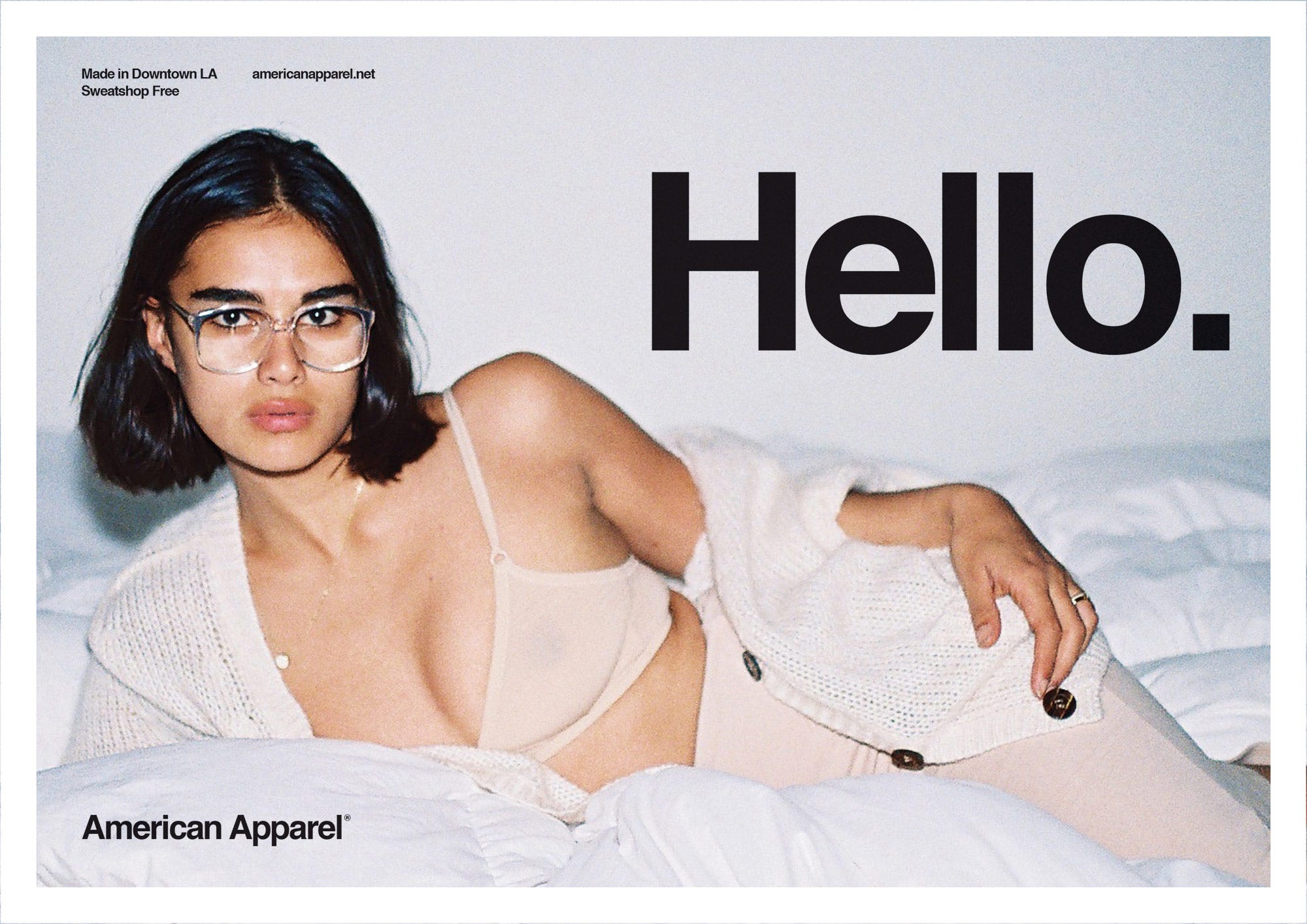
At some point, I acknowledged that I was beat. I was a gracious loser. I ordered a Threadless t-shirt that read DIET CULTURE DROPOUT. I wore it while eating fistfuls of matcha Kit Kats and a family-sized bag of kettle-cooked potato chips.
I was a diet culture dropout who was also alt and gay and intent on body liberation. On Instagram, I fell headlong into the world of body positive influencers, fat girls in gloriously flouncy skirts and flawless lipstick and healthy marriages. Snatched and pretty and – What a relief! – not skinny.
This world should have given me relief. And it did. Sort of. I spoke to a friend – another buzzcut, potbellied girl who was also trying out she/they pronouns in an attempt not to fade out of her own life completely – and we agreed that yes, the fat influencers were awesome and great. They were also pretty and feminine, and we were neither.
“I couldn’t be an influencer, not like they are,” she said. “I feel like I’d just be this chubby, unstylish bisexual person with a lame haircut and jeans that don’t fit.”
Relatable content. Body liberation was great, but it was not for me. Though maybe it could be for the Brand-New Me.
I limped into the end of 2020 an awkward gay who was tired of being looked at. Tired of being perceived and named. What right did the department secretary have to congratulate me on “my stomach going down”? What right did denizens of my small town have to stop me on my (very occasional) runs and tell me I was “inspiring” them? I wasn’t thin, but I wasn’t fat – I wasn’t chubby, even. But I wasn’t making myself pretty. I had given up on too much at once.
The makeup, baby doll dresses, and long hair of my adolescence had never appealed to me the same way the blunt elegance of thinness had. Left to my own devices, I developed what Judith Butler might call an androgynous corporeal style. Left to my own devices, I acted like a bit of a tomboy. A flaneur. A butch-about-town.
I searched the right hashtags on Instagram, and the internal logic clicked smoothly into place. If I could not be thin, and I could not be pretty, there was still something I could be.
“You’re a bit overweight,” the surgeon who would perform my top surgery told me, though I was well within the BMI range required for the surgery. “I’d advise losing some weight before your surgery date.”
I lost ten pounds in four months – a dismal ghost of the more dramatic transformations I’d pulled off in the past. Still, the surgeon offered me a wan “congratulations” as he assessed me during my pre-surgical appointment. And when I woke up from the anesthesia, I had indeed been transformed.
*
Injecting testosterone cypionate every week for a few years and then suddenly stopping will not do wonders for one’s endocrine system. Between 2021 and 2024, I gained more weight than I ever had in my adult life. I felt biohacked to pieces.
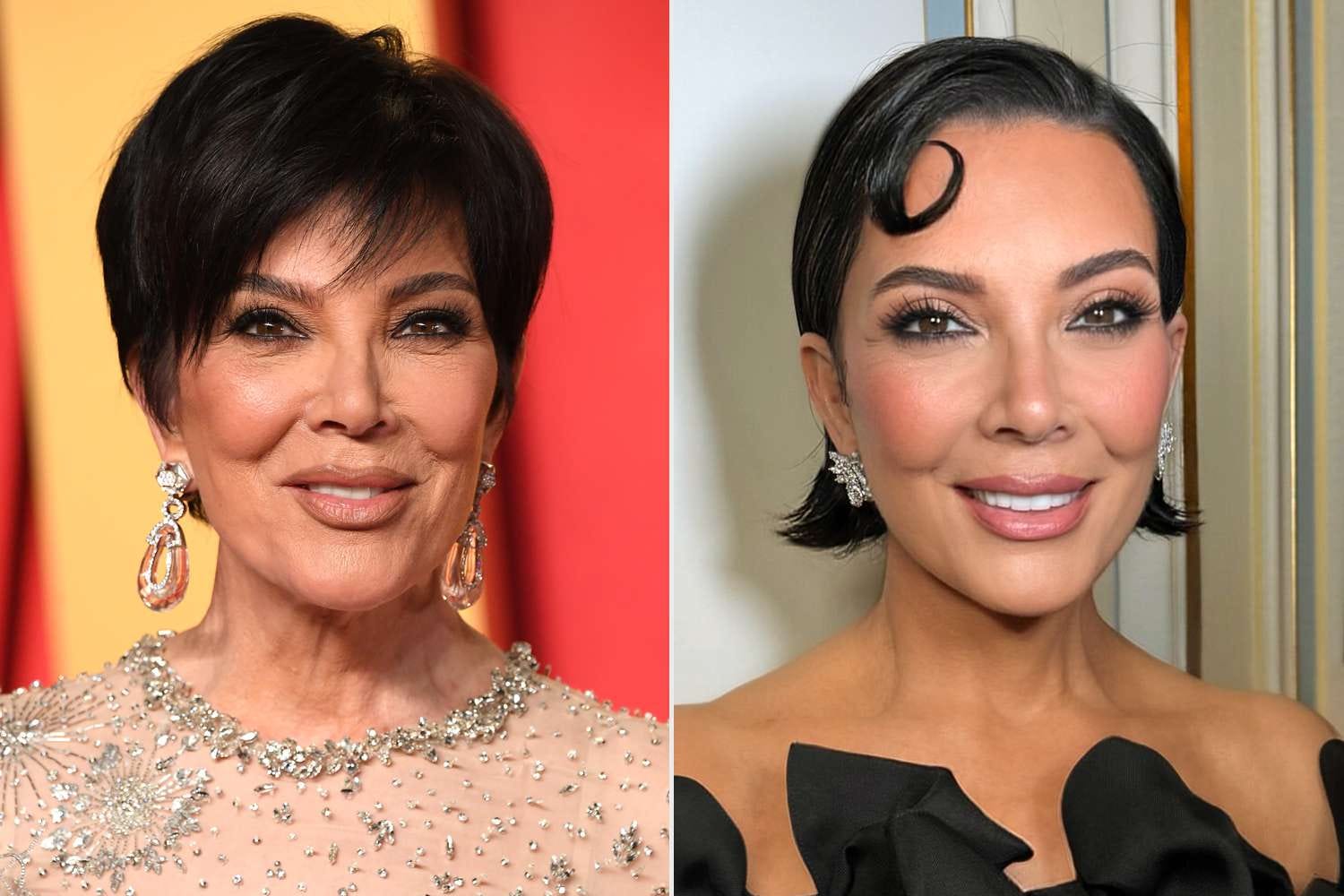
Now, I was well and truly chubby. Now, a fellow transmasc declined an offer of one of my shirts because he’d be “swimming in it.”2 Now, friends and family were “concerned for my health.” I had transgressed, entered the realm of moral decadence. So, ok, I was not a man anymore – should I not perhaps get started again on becoming thin and pretty?
If you had told twenty-five-year-old me that, in a little over a decade, something called Ozempic would exist, my response would have been, “What do I have to do to take it now?” That girl – actually quite thin from where I’m currently standing, but of course not thin enough – would have looked on in horror at thirty-six-year-old me, a fat-bellied woman in a shift dress and loose-fitting kimono who researches and writes about weight-loss trends without ever engaging in them.
I felt biohacked to pieces.
A transhumanist, according to San Francisco tech and culture reporter Jasmine Sun, is “someone who believes in using technology to augment human abilities.” Reading Sun on the self-optimizers at the center of Silicon Valley’s gray market peptide scene made me think about human innovation and ingenuity, advancements brought about by scientific research, the many ways my life has been positively impacted by imagining possibilities for myself and others beyond what we’ve been assigned.
It also makes me think about how facticity – what I sometimes call “givenness” – has a way of announcing itself. The Ozempic will eventually hollow out your cheeks. The facelift will eventually collapse. The X chromosome cannot be willed into a Y. The scale will not stay at 117.
Something, somehow will have to give. The Church of Horny Biohacked Futurity regularly excommunicates its most ardent believers. And when you’re inevitably excommunicated, you can either choose to treat the problem by getting hot again, shelling out and pledging and perspiring and praying it’ll be for good this time. Or you can stop treating it altogether.
The irony, reader? I’m actually entering the new year a Brand-New Me. A heretic who finally doesn’t give a shit.
Both of these, along with “gender dysphoria,” are diagnoses I no longer seek treatment for, nor particularly identify with. (I had to go to great lengths to talk my therapist into furnishing me with a gender dysphoria diagnosis in the first place; I was keen to optimize, doubted her expertise.)
Kind of a mean girl moment, to be honest. If that didn’t give us both dysphoria, then…
We have lived through so much. From “nothing tastes as good as skinny feels” and pro ana internet to celebrating the body pos influencers to GLP-1s to “eat 1 gram of protein for every pound of bodyweight.” I think I’m so old now that I understand it’s just never going to end. Diets (and body shapes) are going to trend and then fall out of fashion forever.
It's only recently (I'm also 36) that I've begun to recognize how much of my time, energy, and brain space has been consumed by thoughts about my appearance. So much! Thanks for pointing the microscope at this more, a valuable shift to work towards.